

Blog Type: Program Notes
-
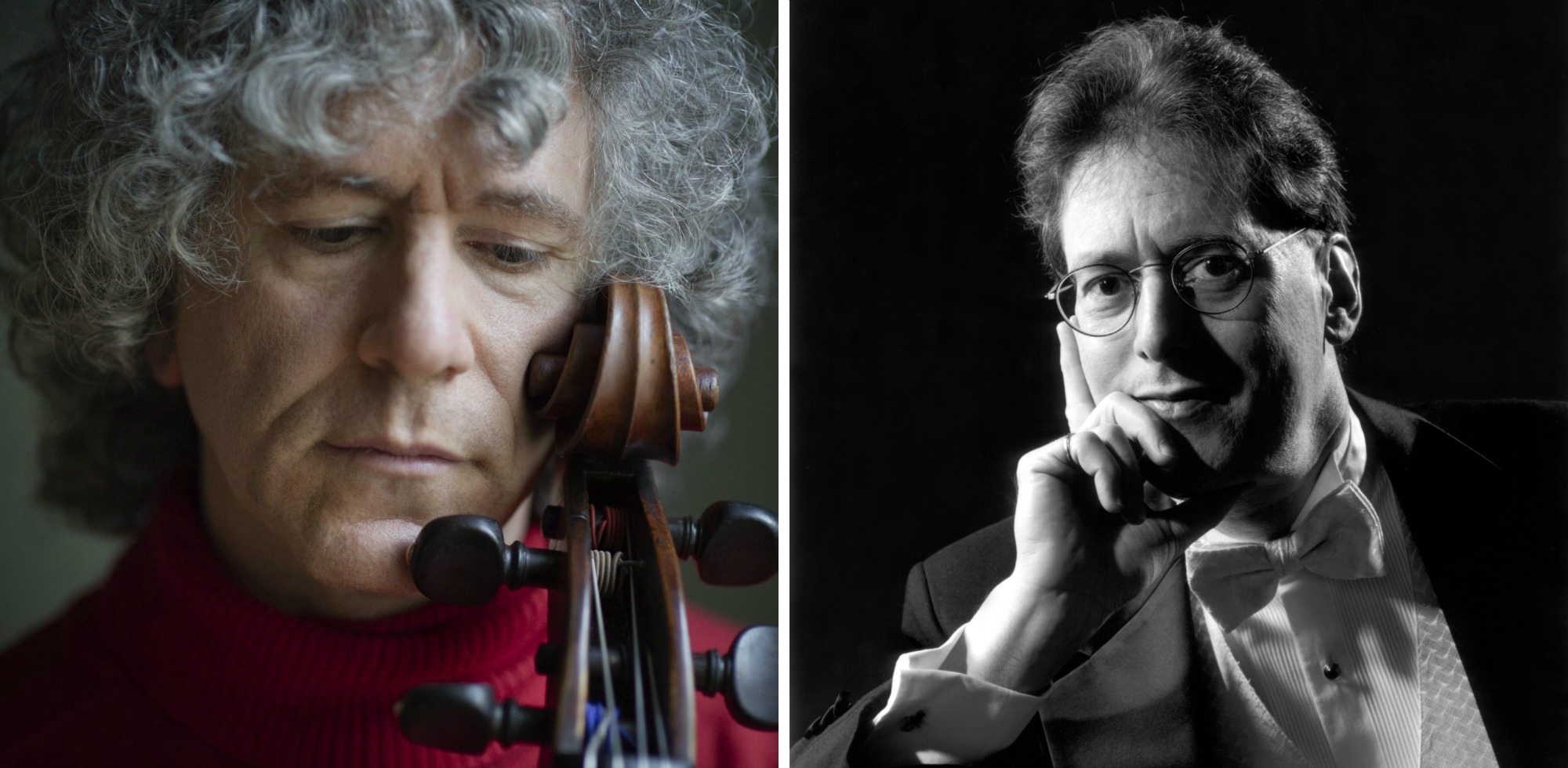
PROGRAM NOTES: STEVEN ISSERLIS & ROBERT LEVIN PERFORMANCE 2
Ludwig van Beethoven 7 Variations on Bei Männern, welche Liebe fühlen from Mozart’s Die Zauberflöte Wo046 Beethoven’s second set of cello and piano variations on a tune derived from Mozart’s Magic Flute was composed in 1801, five years after his previous Ein Mädchen oder Weibchen variations of 1796. In this set, Beethoven picks another simple…
-
PROGRAM NOTES: STEVEN ISSERLIS & ROBERT LEVIN PERFORMANCE 1
Ludwig van Beethoven 12 Variations on a Theme from Handel’s Judas Maccabaeus Wo0 45 In 1796 Beethoven paid a visit to the court of King Friedrich Wilhelm II in Berlin, and cellists the world over are glad that he did. From this visit resulted a number of works for cello and piano that set the…
-
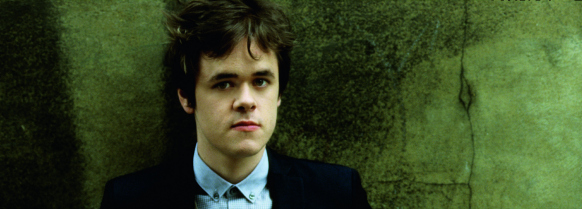
PROGRAM NOTES: BENJAMIN GROSVENOR
Jean-Philippe Rameau Gavotte and Variations in A minor The modern pianist seeking to play the Baroque harpsichord repertoire faces many obstacles, starting with the friendly fire of his own trusty Steinway itself, so different in sound from the perky little plucked-string sound box for which this music was originally written. A note on the harpsichord…
-

PROGRAM NOTES: SIR ANDRÁS SCHIFF
Franz Joseph Haydn Sonata No. 60 in C major Hob. XV1:50 Haydn’s last three piano sonatas, Nos. 60 to 62 (Hob. XVI:50-52), were written during the composer’s second trip to London of 1794-1795. All three were composed with a specific dedicatee in mind: the female keyboard virtuoso Therese Jansen Bartolozzi (1770-1843), a student of Clementi…
-
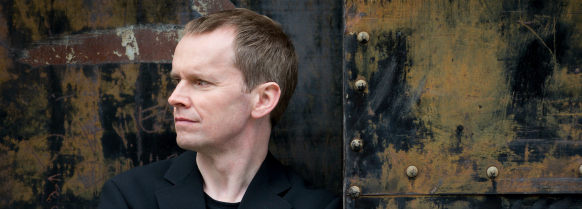
PROGRAM NOTES: STEVEN OSBORNE
Ludwig van Beethoven Sonata in E minor, Op. 90 The use of the piano sonata in marriage counselling has not found wide adoption in the profession since Beethoven first introduced the practice with his Sonata in E minor Op. 90. The curious story associated this sonata is as follows. Beethoven’s biographer Anton Schindler relates that…
-
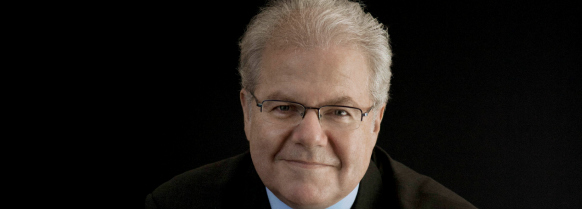
PROGRAM NOTES: EMANUEL AX
Georges Bizet Variations Chromatiques de concert For those that like to feather-dust humming the habanera from Carmen with a rose clenched between their teeth might be surprised to learn that Georges Bizet was not only an opera composer, but also a pianist. Anecdotal accounts of the period reveal that the keyboard skills of Georges Bizet…
-
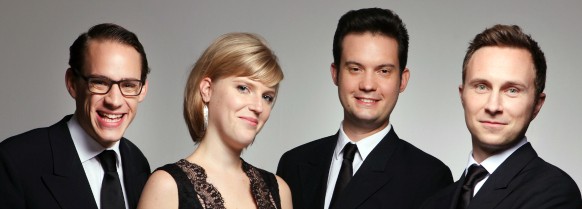
PROGRAM NOTES: DORIC STRING QUARTET
FRANZ JOSEPH HAYDN String Quartet in D minor, Op. 76, No. 2 Those of us wondering in our spare moments what a happy retirement consists of might do well to consider the case of one Franz Joseph Haydn, whose life in the years 1796-97, when his collection of six string quartets Op. 76 was written,…
-

PROGRAM NOTES: PAVEL KOLESNIKOV
Wolfgang Amadeus Mozart Fantasy in C minor K. 475 The year 1785 was a good one for Mozart. In the words of musicologist John Irving, he had become something of a ‘hot property’ in Vienna, enjoying considerable success both as a published composer and as a performing musician. But Mozart had also acquired a reputation…
-
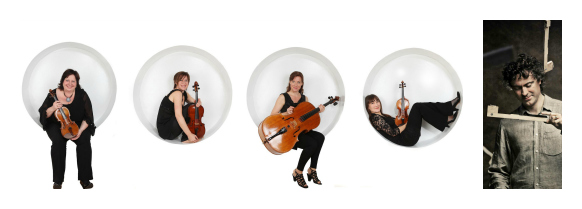
PROGRAM NOTES: THE VERTAVO STRING QUARTET & PAUL LEWIS
Wolfgang Amadeus Mozart Piano Concerto No. 12 in A major K. 414 Mozart’s twelfth piano concerto was one of three composed in 1782 for sale to the Viennese public by advance subscription, the 18th-century equivalent of ‘crowd-sourcing’. A major selling point of these ‘subscription’ concertos (K. 413, 414 & 415) was that they were composed…
-
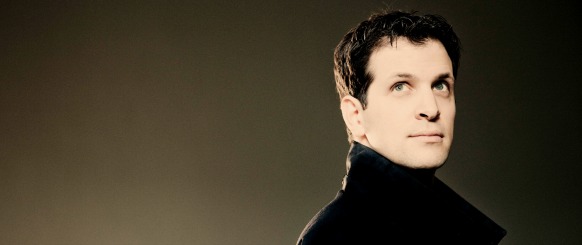
PROGRAM NOTES: LUCA PISARONI & WOLFRAM RIEGER
Wolfgang Amadeus Mozart Four Songs The earliest German lieder we have in the concert repertoire come from the more than 30 works that Mozart wrote between 1768 (at the age of twelve!) and his death in 1791. His mature songs reflect his skill as an opera composer in their sensitive treatment of the text, bolstered by…
-
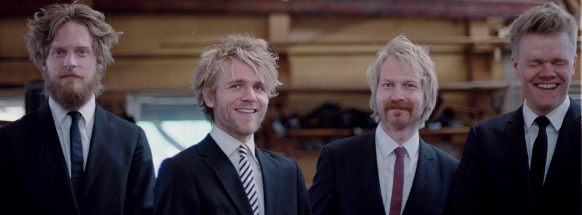
PROGRAM NOTES: DANISH STRING QUARTET
The Art of Fugue Fugue is the Rubik’s cube of compositional genres. It’s the sort of thing that only the ‘brainiest’ of modern composers, one with a bent for antiquarian curiosities, would attempt. And yet in its golden age in the first half of the 18th century, fugue writing was commonplace, an expected skill for…
-
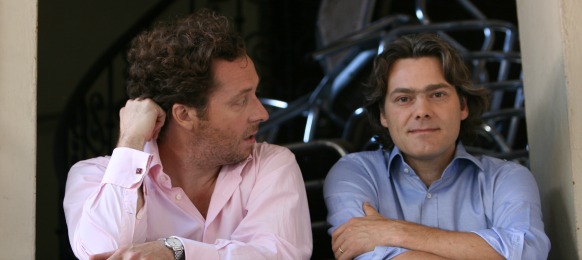
PROGRAM NOTES: CHRISTIAN GERHAHER & GEROLD HUBER
By Christian Gerhaher This programme of poems by Johann Wolfgang von Goethe set to music by Franz Schubert and Wolfgang Rihm was conceived as a tribute to the eight great poetic hymns written during the poet’s Sturm und Drang period of the 1770s and 1780s. I had always regretted that Schubert had set only three…
-
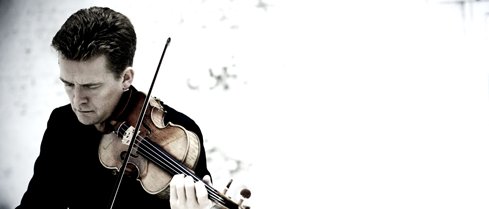
PROGRAM NOTES: CHRISTIAN TETZLAFF
Eugène Ysaÿe Sonata for solo violin in G minor, Op. 27, No. 1 Belgian violinist and composer Eugène Ysaÿe stands as a bridge figure between the late Romantic era of virtuoso violinists such as Henri Vieuxtemps and Henryk Wieniawski (he studied with both of them), and twentieth-century composers such as Debussy, whom he championed. Much loved by…
-
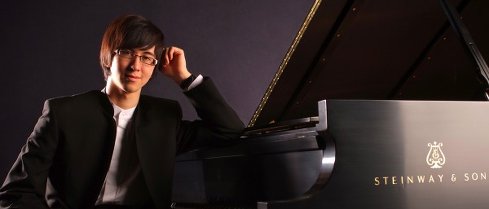
PROGRAM NOTES: CHARLIE ALBRIGHT
Franz Schubert Impromptus Op. 90, Nos. 1-4 The impromptu is just one of a number of small-scale instrumental genres arising in the early 19th century, known under the collective title of “character pieces”. Cultivated by composers of the Romantic era, these pieces present a simple musical idea in an intimate lyrical style with the…
-
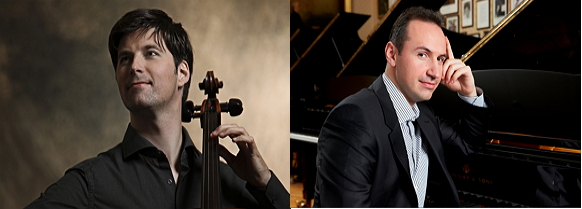
PROGRAM NOTES: DANIEL MÜLLER-SCHOTT & SIMON TRPČESKI
Ludwig van Beethoven Sonata for cello & piano in C major, Op. 102, No. 1 Those who think of sonata form as a well-organized dinner plate – with the red meat in one corner, the mashed potatoes stationed opposite, and peas or broccoli distributed neatly over the remaining space – might be forgiven for thinking…
-
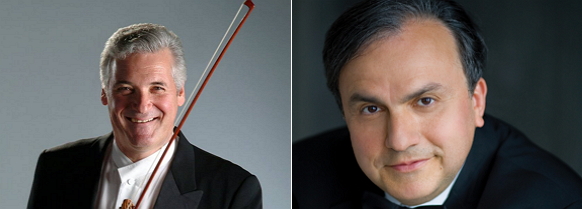
PROGRAM NOTES: PINCHAS ZUKERMAN & YEFIM BRONFMAN
Franz Schubert Sonatina for violin & piano in A minor D. 385 It humbles me to think, paraphrasing Tom Lehrer, that when Schubert was my age, he had already been dead for several decades. Lest I forget, there are his first three sonatas for violin and piano, which he composed in a sprint of creative…
-

PROGRAM NOTES: IESTYN DAVIES & THOMAS DUNFORD
The golden age of English lute song coincides with the public career of lutenist and composer John Dowland – and not by chance: from the publication of his First Booke of Songes in 1597 until his death in 1626, Dowland initiated, nourished, and crowned, a flowering of popular song unprecedented in the history of…
-
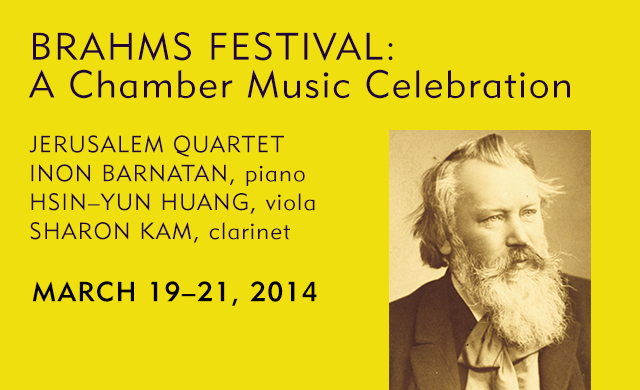
PROGRAM NOTES: BRAHMS FESTIVAL
CONCERT #1 Johannes Brahms String Quartet in C minor, Op. 51, No. 1 If there was one great figure in European music that Brahms revered more than any other, that figure was Ludwig van Beethoven. With the Great Master’s bust looking impassively down on him from the wall of his Vienna apartment, feeling behind him…
-
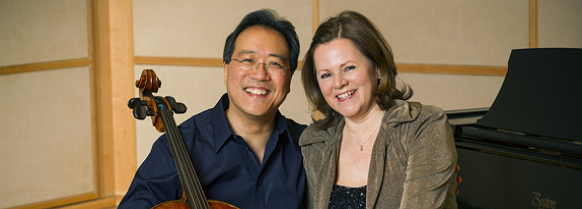
PROGRAM NOTES: YO-YO MA & KATHRYN STOTT
Igor Stravinsky Suite Italienne At the end of the Great War Igor Stravinsky underwent a radical shift in his compositional techniques and aesthetic aims. Gone were the gargantuan orchestras that had performed the lush, colorful scores of his pre-War ballets Firebird and Petrushka. Gone, as well, the dense chord structures and revolutionary rhythmic tumult that…
-
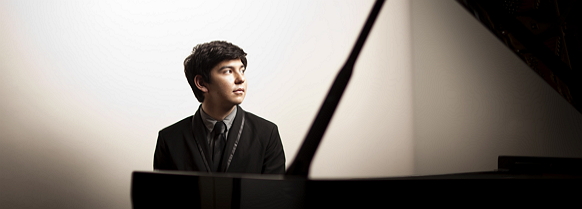
PROGRAM NOTES: BEHZOD ABDURAIMOV
Ludwig van Beethoven: Sonata in A flat, Op. 26 Beethoven begins to move away from the norms of the classical tradition in this unconventional four-movement sonata without a single movement in traditional sonata- allegro form. It opens with a noble, almost ceremonial theme with five variations, all based, to some degree, on the principle of rhythmic…
-

PROGRAM NOTES: MURRAY PERAHIA
Johann Sebastian Bach: French Suite No. 4 in E flat major, BWV 815 Bach composed suites for keyboard, for various solo chamber instruments, and for full orchestra, each comprising a varied and aesthetically balanced collection of dance movements written in the fashionable style of his day. The harmonic task given to each two-section dance is…